Written by Professor Douglas Deur, associate research professor of anthropology at Portland State University.
Introduction
Newberry, John Day, Cascade-Siskiyou and Oregon Caves: all of Oregon’s national monuments hold special significance to Native American tribes. Among the state’s most distinctive, beautiful, and resource-rich landscapes, these places have stood apart, inspiring people across generations. In the high mountains of Oregon’s southwest and in high deserts east of the Cascades, these have long been places to live, harvest, pray, and celebrate among Oregon’s tribal communities.
Newberry National Volcanic Monument
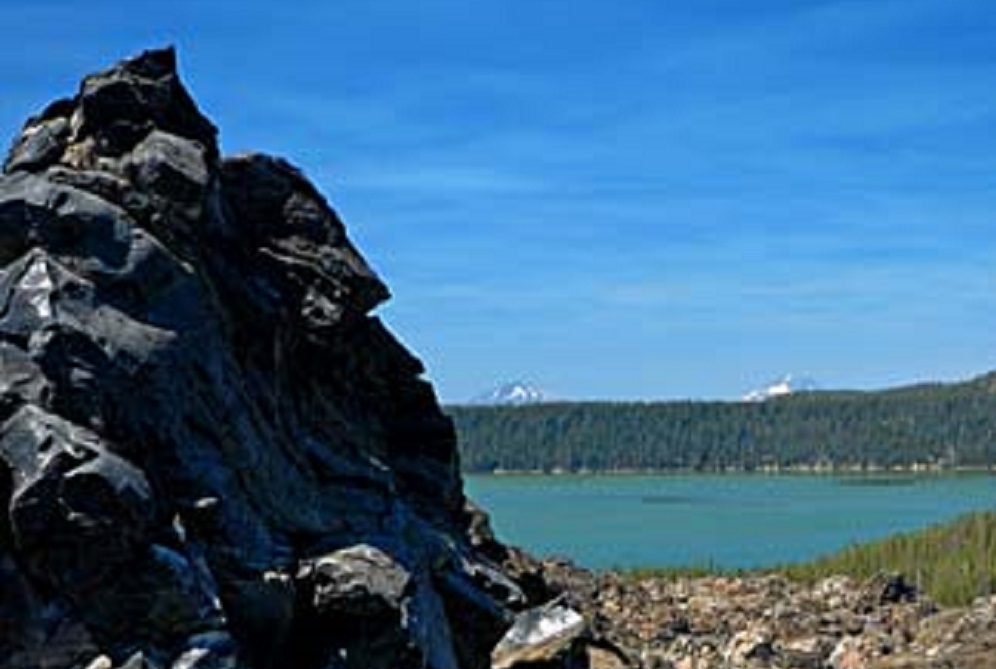
Newberry National Volcanic Monument is a place of exceptionally ancient significance. Over 10,000 years ago, this was the site of village settlements and camps, as well as important hunting grounds. Across time, the spring waters that bubbled to the surface here, and the lakes of Newberry Crater—Paulina and East Lake—sustained residents and visitors alike.
Newberry National Volcanic Monument
John Day Fossil Beds National Monument
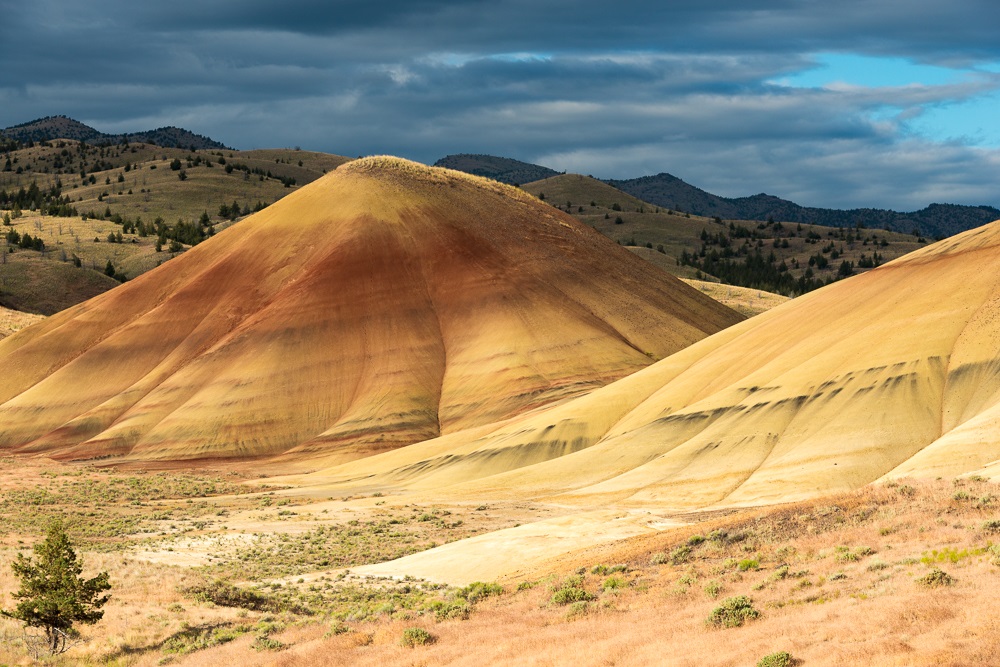
More so than in other Oregon monuments, John Day Fossil Beds National Monument was an everyday home to many people. Today’s Monument has three distinct units: the famously fossil-rich Sheep Rock and Clarno Units, and the spectacularly scenic Painted Hills. Each of these places was well known to the Native people long before contact.
John Day Fossil Beds National Monument
Cascade-Siskiyou National Monument
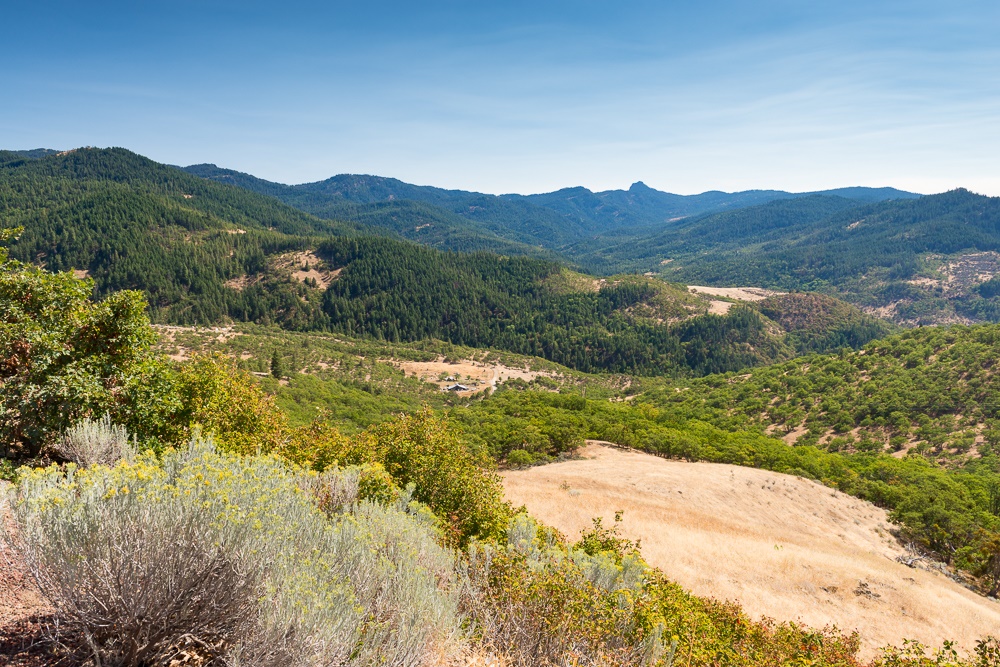
Many tribes’ traditional lands have converged in the mountainous lands now managed as part of the Cascade-Siskiyou National Monument, near the crest of Oregon’s southern Cascade Range. Shastas, Takelmas and Klamaths have considered parts of the Monument home, though the lands also sit within close proximity to other tribes of the Rogue and Klamath Basins who often visited this part of the Cascade crest.
Cascade-Siskiyou National Monument
Oregon Caves National Monument & Preserve
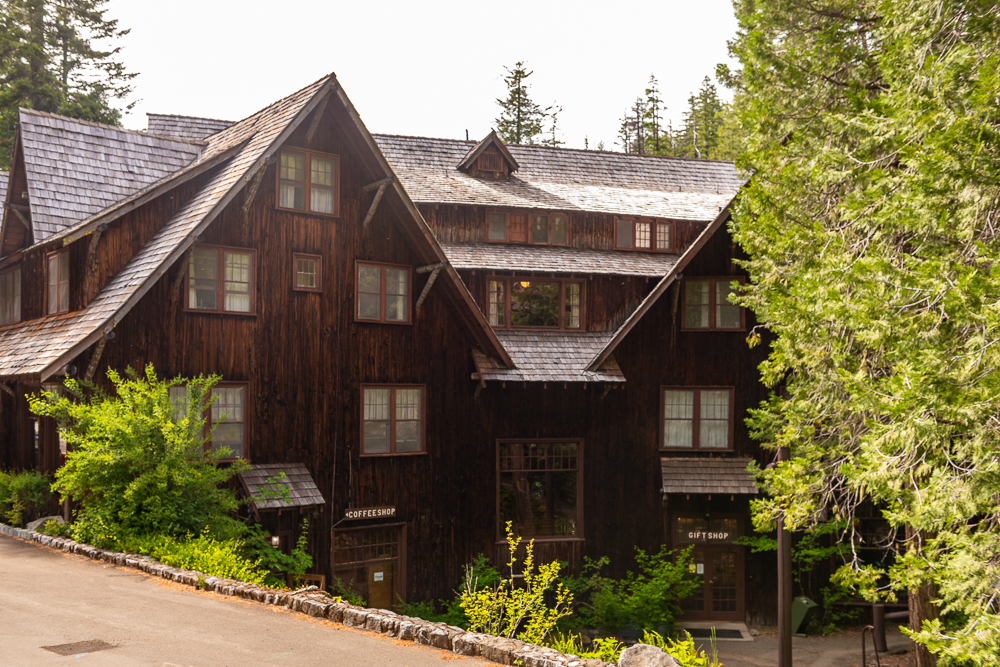
Much the same can be said of Oregon Caves National Monument, which sits on a high mountain ridge only 30 miles to the west of Cascade-Siskiyou. Many tribes, Athabaskan communities such as the Dakubetede, Takelmas, and even Shastas and Karuks from the middle Klamath River—have traditional lands intersecting in these high mountains.
Oregon Caves National Monument & Preserve
About the Author
Professor Douglas Deur is an associate research professor of anthropology at Portland State University and an adjunct professor of environmental studies at the University of Victoria. Dr Deur holds advanced degrees in both geography and anthropology, and his writings are frequently coauthored with Native American scholars and elders.