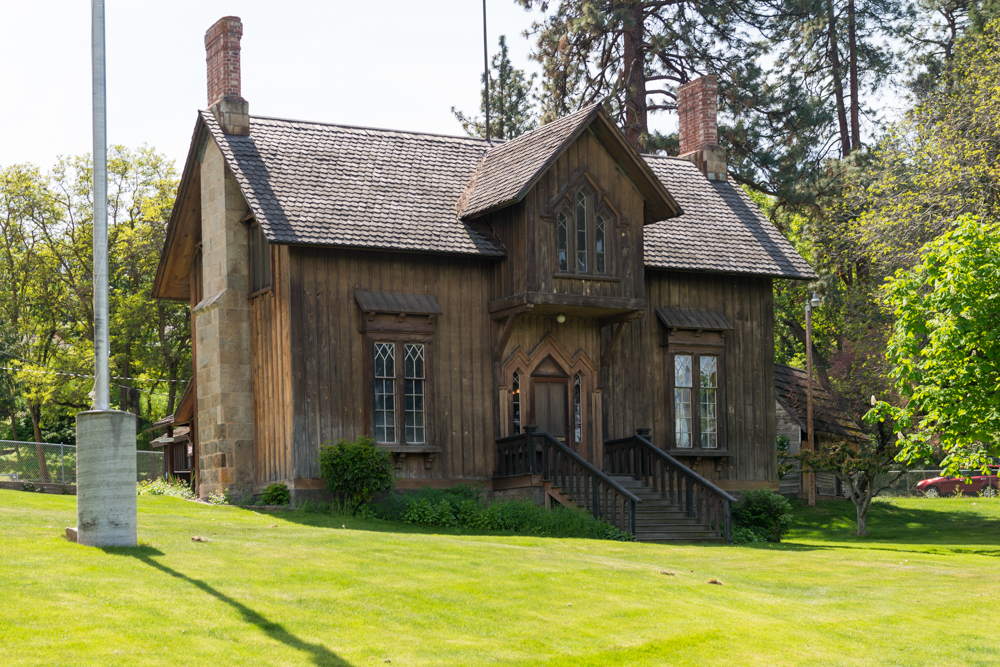
 The surgeon's quarters at the Fort Dalles Museum in The Dalles. (Oregon Scenic Images collection)
1851
First General Land Office opens in Oregon City; Willamette Valley Treaty Commission negotiates treaties; Teamsters discover gold in Rogue River Valley; Anson Dart convenes Tansy Point Treaty Council at mouth of Columbia River; First U.S. Army post, Fort Orford, built at Port Orford; U.S. Coast Survey begins charting shoreline; First Chinese immigrant, Mr. Sung Sung establishes the Sung boarding house and restaurant on Portland’s Second Avenue
1852
U.S. Army establishes Fort Dalles on Oregon Trail; Congress names Salem capital of Oregon Territory
1853
Territorial legislature adopts Oregon law code; U.S. Army establishes Fort Lane in Rogue River Valley; Territorial legislature publishes Oregon Archives; Congress funds Scottsburg-Myrtle Creek Wagon Road; Cow Creek and Rogue River Tribes negotiate treaties with U.S.; Oregon Institute becomes Willamette University; Congress carves Washington Territory out of Oregon Territory; First coal exports begin on southwest Oregon coast; The Typographical Society, Oregon’s first labor union is organized
1854
Vigilantes massacre Coquille Indians; Legislature prohibits sale of ardent spirits, arms and ammunition to tribes; Legislature bars testimony of "Negroes, mulattoes, and Indians, or persons one half or more of Indian blood" in proceedings involving a white person
1855
The only ratified treaty with Kalapuyan groups indigenous to the Willamette Valley is completed. The treaty dispossesses the Kalapuya people and their descendants of their aboriginal lands and effectively transfers the vast wealth of the Willamette Valley to non-Indians. Umatilla, Nez Perce, Warm Springs and Walla Walla tribes sign treaties reserving land and rights to food resources; Rogue River Indian War and Yakima Indian War begin; President James Buchanan creates Siletz Reservation; Territorial Capitol burns in Salem
1856
Kalapuya tribes in the Willamette Valley are rounded up and forcibly moved to the Grand Ronde Reservation. U.S. Army establishes Forts Umpqua, Hoskins and Yamhill; U.S. Army orders closure of settlement east of Cascades because of warfare with tribes
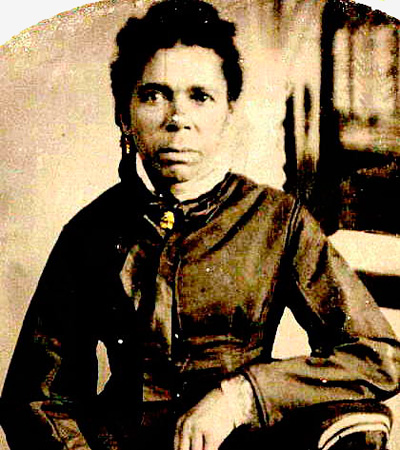 Blacks were not welcome in Oregon in the mid-1800s.
1857
Constitutional Convention meets in Salem; Draft constitution bans slavery and bars African Americans from residency and decides that voting will be for white male citizens only; Aaron Meier and Emil Frank found Meier & Frank Department Store
1858
First election selects state officials
1859
Congress grants Oregon statehood on February 14, becoming only state admitted to Union with exclusion laws in their constitution; First bank established by Ladd & Tilton in Portland; First elected governor of state, John Whiteaker, inaugurated
1860
Oregon Steam Navigation Company begins service; First daily stage operates between Portland and Sacramento
1861
First Oregon State Fair held at Oregon City
1862
Congress passes Homestead Act; First Oregon Cavalry raises six companies; Gold Rush begins in Blue Mountains; First portage railroad completed at Cascades; Laws passed banning interracial marriages and requiring Black, Chinese, Hawaiian (Kanaka) and Mulatto people to pay annual $5 tax, with those unable to pay required to perform road maintenance
1863
U.S. Army establishes Fort Klamath
1864
The Klamath Modoc and Yahooskin Paiute tribes sign a treaty, creating the Klamath Reservation. This treaty strips the Modocs of all their traditional land; Telegraph line connects Portland and Sacramento; Salem becomes the state capital
1865
Thomas Condon makes first excavations at Joh Day Fossil Beds
1866
First lighthouse, Cape Arago, illuminates light signal; Married Women’s Property Act protects women’s rights
1867
U.S. Army establishes Fort Harney; First Chinese temple (or "Joss House") was built at the corner of Oak Street and SW Second Avenue in Portland
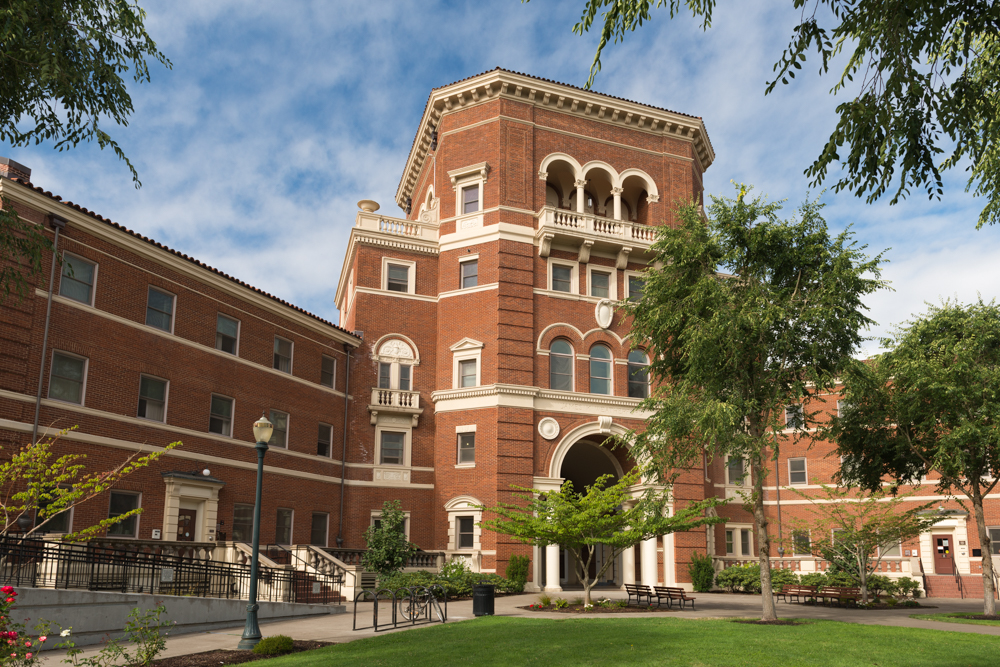 Weatherford Hall on the campus of Oregon State University in Corvallis. (Oregon Scenic Images collection)
1868
Oregon State Agricultural College opens (later becomes Oregon State University)
1869
Direct export of wheat to Europe begins
1870
First woman suffrage organizations form in Albany and Salem; U.S. Constitution adds 15th Amendment, granting Black American men the right to vote
1871
Susan B. Anthony and Abigail Scott Duniway advocate women’s rights in Pacific Northwest; Duniway launches women’s rights newspaper The New Northwest
1872
Oregon & California Railroad completes the line to Roseburg; Modoc Indian War begins, resulting in the U.S. Army forcibly removing Modoc people from their homeland (this includes vast timberlands)
1873
Oregon Patrons of Husbandry (Grange) forms chapters; Modoc tribesmen face trial and execution at Fort Klamath; Oregon Pioneer Association forms; Great fire destroys much of downtown Portland; Oregon State Equal Suffrage Association formed
1874
The Klamath Agency Boarding School opened on the Klamath Indian Reservation. It was one of Oregon’s first government-funded Native American boarding schools, operating under a larger federal policy of forced assimilation of Indigenous people. Schools like this one often resulted in neglect, abuse and trauma for the students and their families
1875
First U.S. Life-Saving Service station opens near Coos Bay
1876
University of Oregon opens; Robert D. Hume builds salmon cannery on Rogue River
1877
Nez Perce Indian War involves Chief Joseph’s band; Congress passes the Desert Land Act
1878
High schools authorized for districts with 1,000 students; Bannock-Paiute Indian War sweeps into southeastern Oregon; Some women gain right to vote in school elections
1880
The Forest Grove Indian School opens, administered by the U.S. Department of the Interior. Its goal is to assimilate Indigenous youth into white culture, forbidding the use of Native languages, beliefs and practices
1880
Great Gale snow and wind storm devastates parts of Oregon and Washington; O. R. & N. Company begins railroad through Gorge; first person/woman of Japanese ancestry settles in Oregon, near Gresham
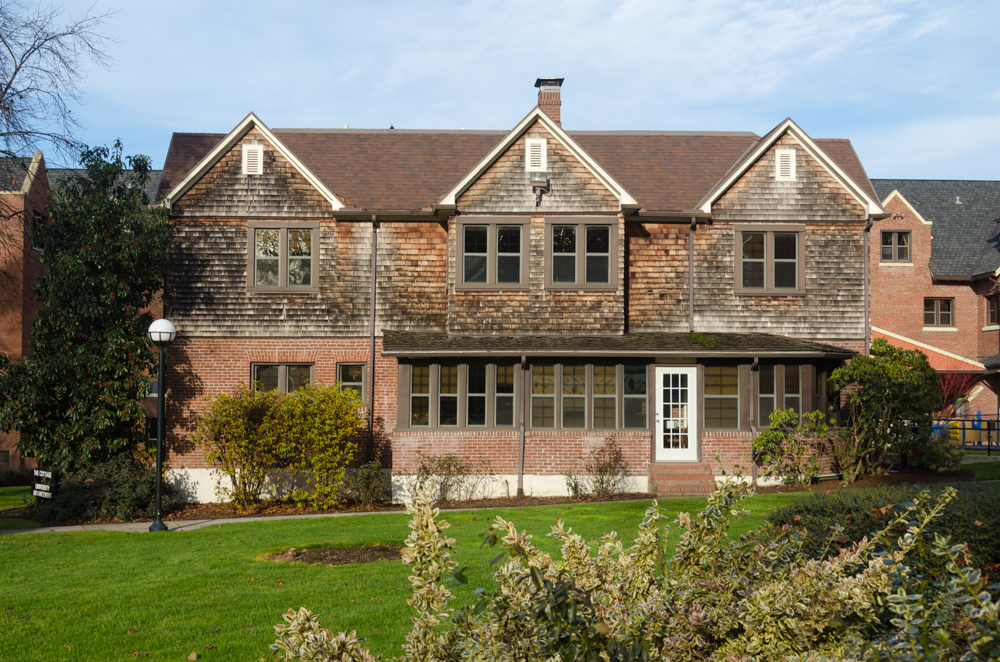 The Cottage on the campus of Western Oregon University in Monmouth. The institution started as a normal school to train teachers. (Oregon Scenic Images collection)
1882
Normal schools open in Monmouth, Ashland and Drain to train teachers
1883
O. R. & N. Company railroad reaches Umatilla providing transcontinental links
1884
Oregon Short Line railroad extends from Granger, Wyoming to Huntington, Oregon
1885
Mary Leonard first female lawyer in Oregon; Bureau of Indian Affairs moves Forest Grove boarding school to Salem, later renamed Chemawa Indian School
1886
Oregon Supreme Court admits Oregon’s first female lawyer, Mary Gysin Leonard, to the state bar; Chief Joseph’s Nez Perce band locates on Colville Reservation, Washington
1887
Locals rob and massacre 34 Chinese gold miners at Deep Creek in Hells Canyon; General Allotment Act divides up tribal reservations into individual allotments; Cranberry harvests begin; First state to make Labor Day a holiday
1888
First Agricultural Experiment Station opens at Corvallis
1890
Congress passes Oregon Indian Depredation Claims Act; Chinese Consolidated Benevolent Association founded
1891
Congress passes Forest Reserve Act
1892
Congress authorizes Columbia River Lightship No. 50
1894
Mazama Club forms to promote mountaineering and scientific exploration
1896
Workmen complete Cascade Locks
1897
Holdup of 1897 blocks state legislature
1898
Oregon Historical Society receives charter; Oregon National Guard soldiers first to arrive in Manila at Spanish-American War’s start
1900
Workmen complete Yamhill River Locks
1902 to 1950